Recent advancements in energy storage technology are shaping the future of the power sector worldwide. For Romania, these developments offer significant opportunities to enhance energy security, integrate renewable sources, and stabilize the grid.
Current state of energy storage in Romania
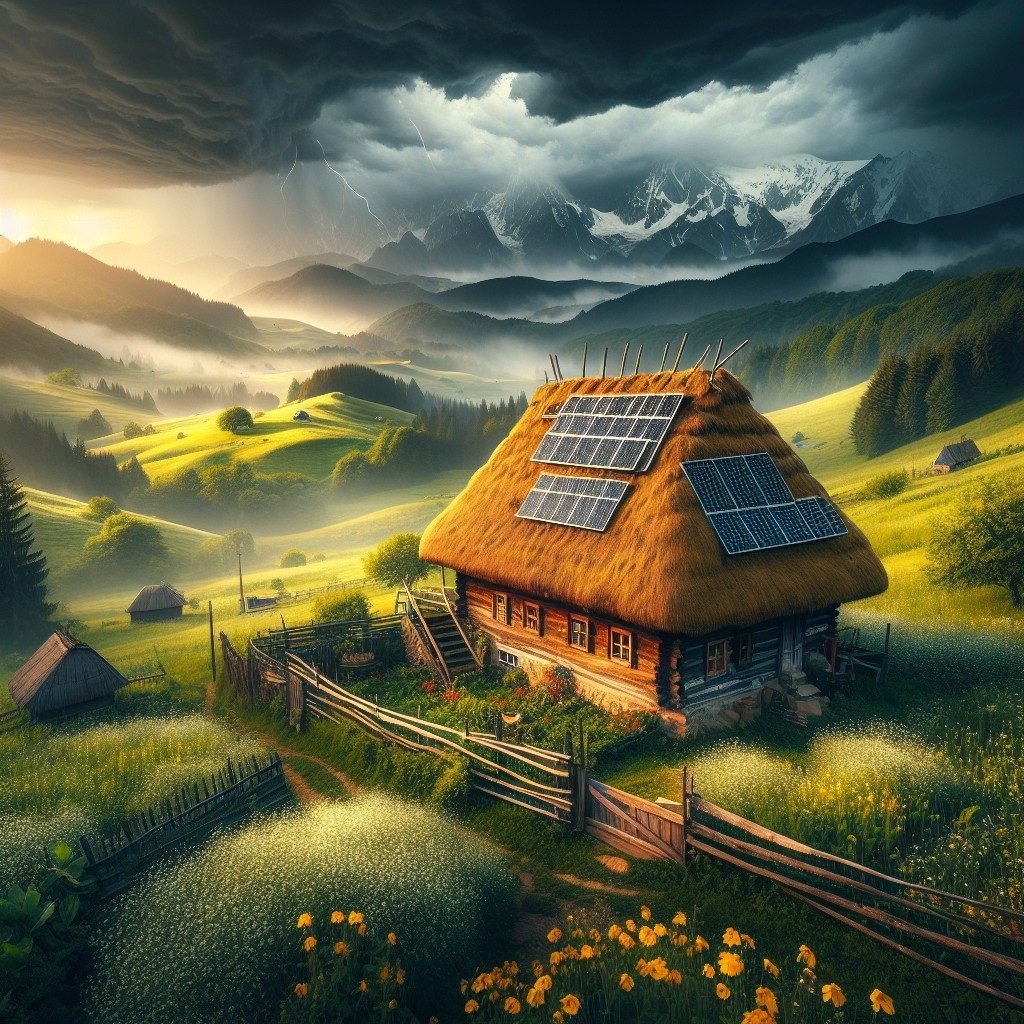
Romania’s energy system has traditionally relied on a mix of hydroelectric, thermal, and nuclear power plants. However, as the country increases its share of renewable energy, including wind and solar, the intermittent nature of these sources presents challenges. Energy storage solutions are critical for managing supply and demand fluctuations, ensuring a reliable electricity supply. Despite this, Romania’s deployment of large-scale energy storage infrastructure remains limited compared to other European countries.
Impact of battery technology advancements
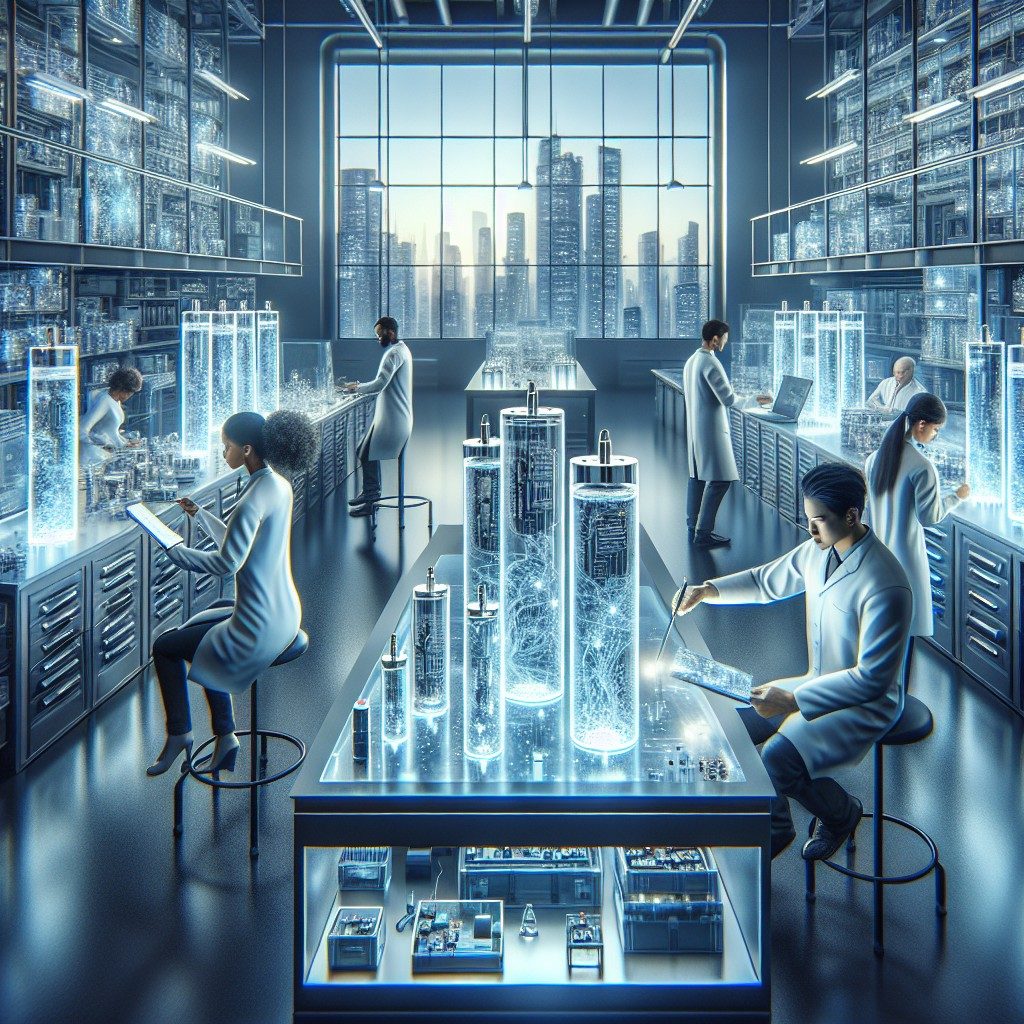
Breakthroughs in battery technology, particularly lithium-ion and emerging solid-state batteries, promise higher capacities, longer lifespans, and lower costs. These improvements can transform Romania’s energy storage capabilities by enabling more efficient grid balancing and load shifting. As battery prices continue to decline, the economic feasibility of deploying decentralized and utility-scale storage systems improves, facilitating wider adoption in both urban and rural areas.
Benefits to Romania’s energy transition
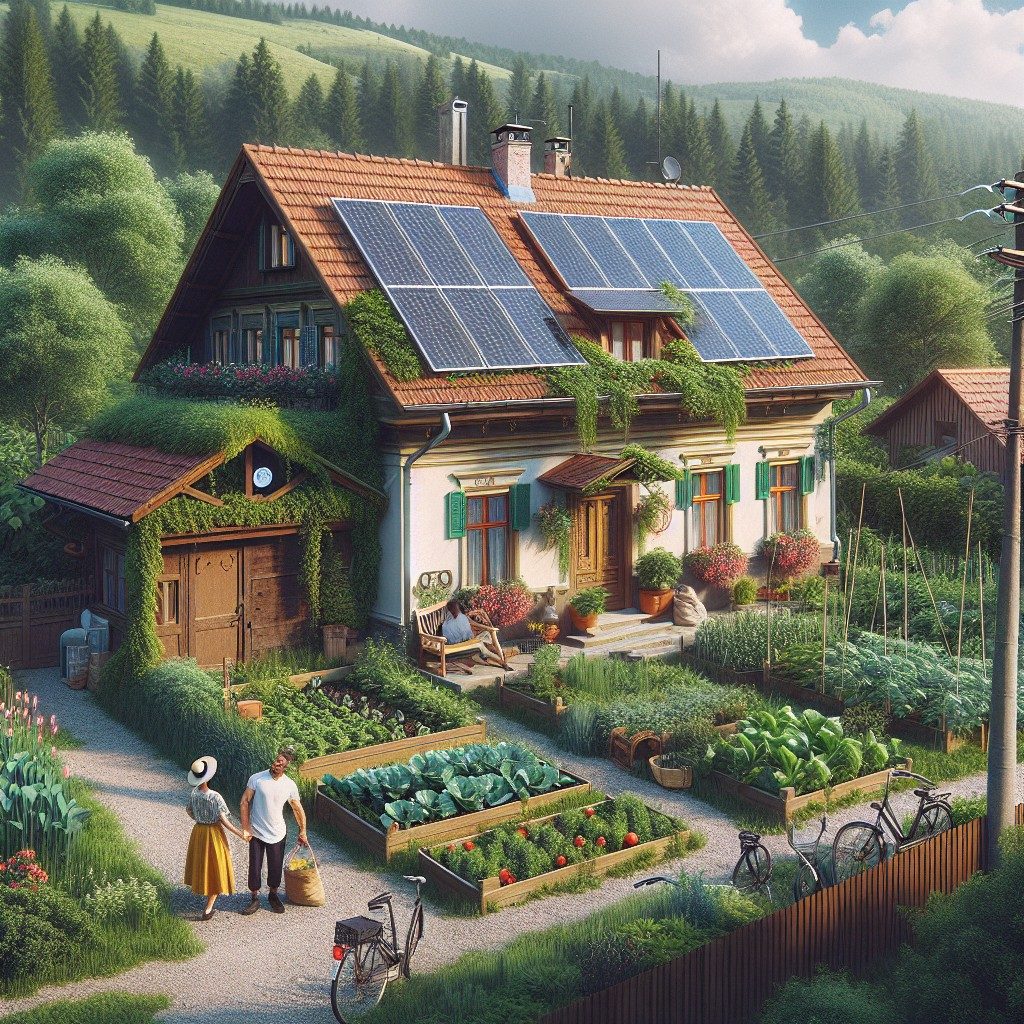
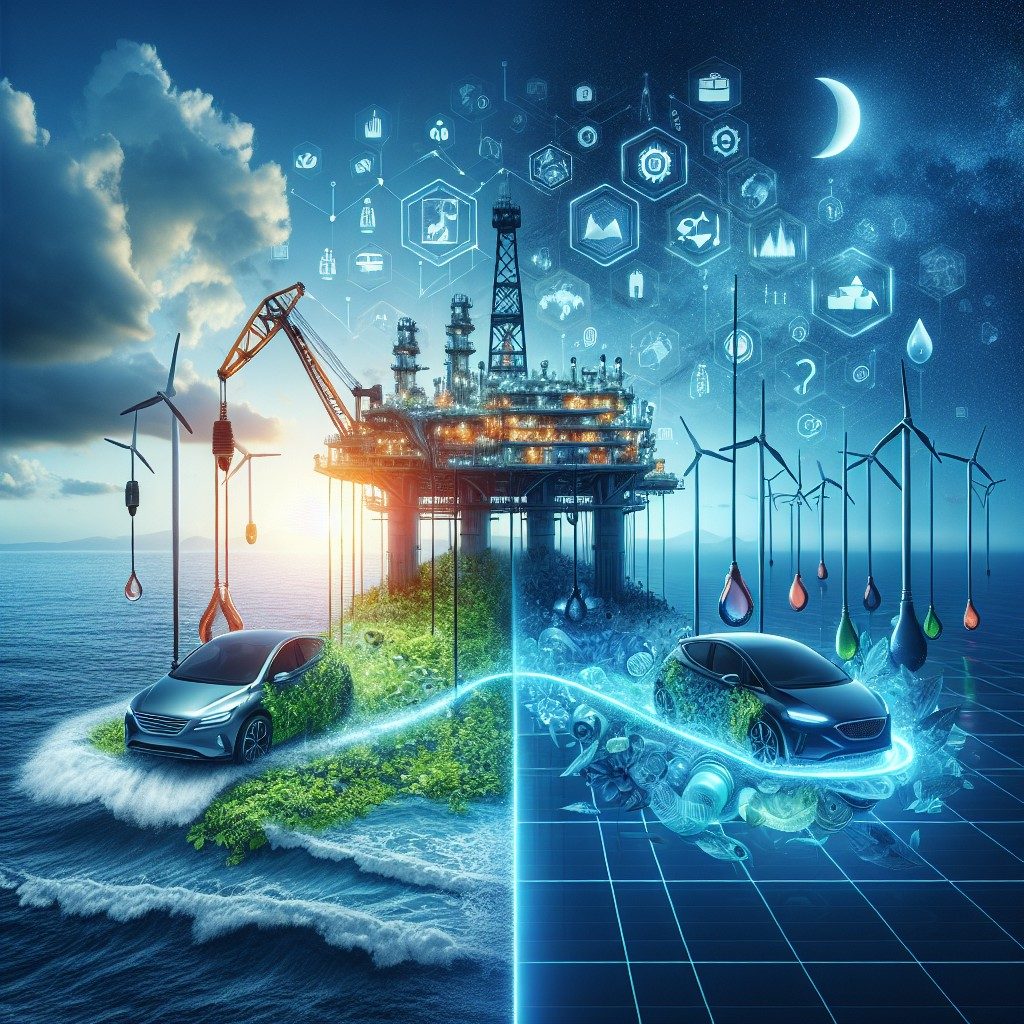
The integration of advanced energy storage systems supports Romania’s ambitious targets for reducing greenhouse gas emissions and increasing renewable energy penetration. By storing excess solar or wind power when generation exceeds demand, batteries enable the country to utilize clean energy more effectively. This reduces reliance on fossil-fuel-powered backup plants and aligns with the European Union’s climate goals. Additionally, improved energy storage fosters grid resilience against outages and can contribute to stabilizing electricity prices.
Government policies and investments
Romanian authorities have recognized the importance of energy storage in the national energy strategy. Recent policy initiatives focus on facilitating investments, providing subsidies, and streamlining regulatory processes for storage projects. International funding, including European Union support mechanisms, further encourages the implementation of innovative battery storage systems. However, the pace of progress depends on continued policy commitment and private sector engagement to scale up storage infrastructure effectively.
Challenges and future outlook
While battery breakthroughs offer promising solutions, challenges remain in integrating these technologies into Romania’s existing grid. Issues such as recycling, resource availability for materials like lithium and cobalt, and ensuring safety standards require attention. Nonetheless, ongoing research and international collaboration are addressing these concerns. Looking forward, energy storage is expected to play a pivotal role in Romania’s energy landscape, enabling a cleaner, more flexible, and resilient power system as the country modernizes its grid and fulfills European decarbonization objectives.
In conclusion, advances in energy storage technology hold significant potential for Romania’s energy sector. Their deployment can accelerate the transition to renewables, improve grid stability, and enhance energy independence, contributing to both national economic growth and environmental sustainability.
Frequently Asked Questions about energy storage
What is energy storage and why is it important for Romania?
Energy storage refers to methods and technologies that capture energy produced at one time for use at a later time. For Romania, it is essential to manage the variability of renewable energy sources and to ensure a stable power supply.
How do battery breakthroughs affect Romania’s renewable energy integration?
Improved battery technologies make it easier and more cost-effective to store excess renewable energy, allowing Romania to increase its use of wind and solar power while maintaining grid reliability.
What government support exists for energy storage projects in Romania?
The Romanian government has introduced policies and incentives to encourage investment in energy storage, including subsidies and streamlined regulations, often supported by European Union funds.
Are there environmental concerns related to energy storage in Romania?
While energy storage promotes cleaner energy use, concerns about material sourcing and battery recycling exist. Efforts are underway to address these issues through research and improved regulations.
What is the future outlook for energy storage in Romania?
The future of energy storage in Romania is promising, with expected growth driven by technological advances, supportive policies, and the country’s commitment to a sustainable energy transition.